
Aspire Program to Wind Back as Homelessness Crisis Deepens
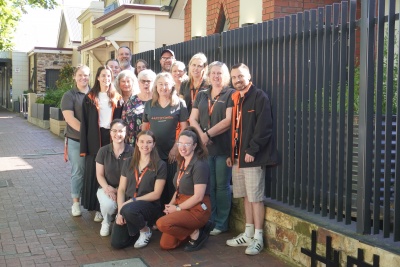
Hutt St Centre’s Aspire Program — a pioneering initiative that has supported hundreds of South Australians impacted by chronic homelessness — will be wound back from mid-December, with no new client intakes beyond FY2026–27, due to a lack of ongoing government funding.
The decision comes despite Aspire delivering more than $40 million in cost savings to the State Government, including preventing over 6,000 hospital bed nights, and achieving an independently verified tenancy retention rate of 86 per cent.
A proven program now at risk
Hutt St Centre CEO, Chris Burns, said Aspire had demonstrated time and again that intensive, long-term support changes lives while reducing pressure on health, justice and emergency accommodation systems.
“Aspire has helped hundreds of people break the cycle of homelessness,” Mr Burns said.
“At a time when the housing crisis is escalating and more people are struggling to keep a roof over their head, we’re seeing demand grow across every part of our service. Yet, without renewed funding, we have no choice but to wind back a program that has been one of the state’s most effective responses to chronic homelessness.
“For us it’s not just about the money. Through Aspire we’ve been rebuilding families, restoring identities and keeping people alive.”
Central to Aspire’s success is its close integration with Hutt St Centre’s Wellbeing Centre, which provides access to health services, social connection, essential supports and pathways to housing — all in one place.
Demand is surging as services struggle
The announcement coincides with new data released yesterday by the Australian Institute of Health and Welfare, showing a homelessness system pushed beyond capacity:
- Specialist Homelessness Services receive 353 requests for help every day that they cannot meet.
- Rough sleeping at the point of seeking support has increased 12 per cent, with 34,833 people sleeping in cars, tents or on the street when they reach out for help.
- More than 56,000 people slept rough at least once in the month before seeking support.
- First Nations homelessness has grown 6 per cent, now representing 29 per cent of all clients.
- Women and children make up 73 per cent of people seeking help.
- Alarmingly, almost one in three people needing short-term or emergency accommodation were not provided with it.
These national figures echo what Hutt St Centre is seeing locally.
In FY2024–25, visits to the Wellbeing Centre increased from 40,504 to 42,975, with an average of 826 people accessing services every week — the highest numbers in the Centre’s history.
Mr Burns said Hutt St Centre had never turned away someone seeking a meal, a hot shower or life-saving support, but increasing demand means this may no longer be possible by the end of 2028.
“We’re seeing more charities forced to turn people away because services are stretched beyond capacity,” he said. “Without systemic investment in prevention and housing, that pressure will continue to escalate.”
Lives changed — and what stands to be lost
Aspire has been a lifeline for people like Luke, a former high-level AFL player who entered the program after battling alcohol and gambling addiction.
“Grappling with addiction, you destroy everything around you — relationships, housing, work. I thought I could fix it myself, and that nearly killed me,” Luke said.
After attempts at rehab, a period of rough sleeping and several suicide attempts, Luke walked into Hutt St Centre and was connected with Aspire. The team supported him into stable housing, provided ongoing counselling and helped him rebuild his life.
Today, he is studying a Diploma of Community Services and is reconnecting with his family.
“Homelessness doesn’t discriminate. This program saved my life. I finally feel like I have someone in my corner.”
A system on the brink — and a path forward
Homelessness Australia has warned that people are reaching services too late, calling for a national Homelessness Prevention Fund to ensure people receive support before they lose their home.
Mr Burns said the Aspire Program should be considered a model — not a cost-cutting opportunity — given its demonstrated social and economic returns.
“With the State Government reviewing the homelessness system, Aspire should be held up as a case study in what works. Cutting programs that save lives and save taxpayers’ dollars is a step backwards for South Australia. The problem is we can’t wait until the end of June 2026, after the next State budget, when the review is completed to get a commitment to ongoing funding for Aspire.”
Hutt St Centre receives no Government funding for its Wellbeing Centre operations and relies solely on the generosity of donors to keep essential services running.
“As Aspire winds back, pressure will shift to an already overwhelmed system,” Mr Burns said. “Without renewed investment, more people will be left without the support they urgently need.”
